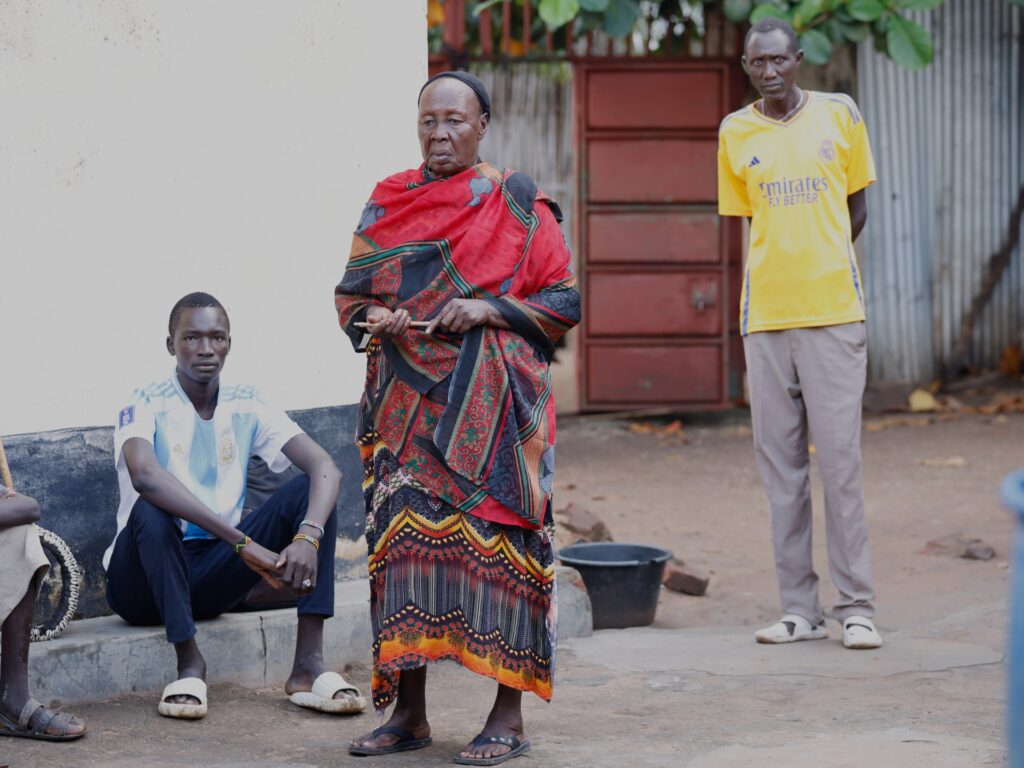
The vote, first expected in 2022, will now be held on February 11, according to the country’s election commission.
South Sudan has delayed its first-ever presidential and parliamentary elections until February, the latest in a series of delays to the long-sought vote, as ethnic and political tensions deepen.
The country’s election commission announced on Saturday that the polls would be held on February 11 next year, instead of December 22 this year. It did not give any reason for the decision.
Recommended Stories
list of 3 items
- list 1 of 3South Sudan’s Kiir dissolves government ahead of first national elections
- list 2 of 3In maps and charts: South Sudan’s 15 years of independence
- list 3 of 3At least 26 killed in clashes along Sudan-South Sudan border region
end of list
The world’s youngest country, which continues to grapple with violence despite a 2018 peace deal that ended five years of civil war, has delayed the vote at least three times since setting 2022 as its election year.
In September, South Sudan’s President Salva Kiir dissolved the transitional unity government and appointed a caretaker administration. That step allowed the country to move towards elections without first completing a permanent constitution or census – two processes that were previously tied to the transition.
But analysts and watchdogs warned that move dismantled a key power-sharing arrangement, consolidating power in Kiir’s hands and raising the risk of renewed widespread conflict.
“This amounts to a constitutional coup through legislative reforms,” Yasmin Sooka, chair of the United Nations Commission on Human Rights in South Sudan, said in October.
“Whether elections take place or not, South Sudan will still need an inclusive political settlement, protection for civilians and institutions capable of preventing further violence,” she added.
Kiir’s government forces and followers of detained former Vice President Riek Machar have been involved in escalating, deadly confrontations in recent months.
Other ethnic tensions and cattle-rustling battles have also complicated the picture in one of the world’s poorest countries.
South Sudan became independent from Sudan in 2011, but Kiir’s and Machar’s forces fought a civil war from 2013 to 2018 that killed at least 400,000 people.
Machar has been under house arrest since last March, accused of crimes against humanity.
Thousands mobilised for registration drive
Under the new election timetable, voter registration is due to begin on Saturday, November 14 and continue until November 28.
A 45-day election campaign period will run from December 27 to February 9, followed by a one-day silence period before the February 11 poll.
Gabriel Bol Deng, chairman of the National Elections Commission, said a total of 3,161 registration centres have been set up across the country, with more than 22,000 staff recruited for the operation.
According to the World Bank, about 90 percent of South Sudan’s 15 million inhabitants have no state-recognised identification, complicating their registration.
Such people, particularly in rural areas, will be identified by community leaders and issued an “identification form” enabling them to vote, Deng said.